Tree Root Intrusion in Sewer Lines and How It Is Repaired
Tree roots enter sewer lines through tiny cracks and joints, then expand into blockages. Here's how Florida homeowners spot the problem and get it repaired.
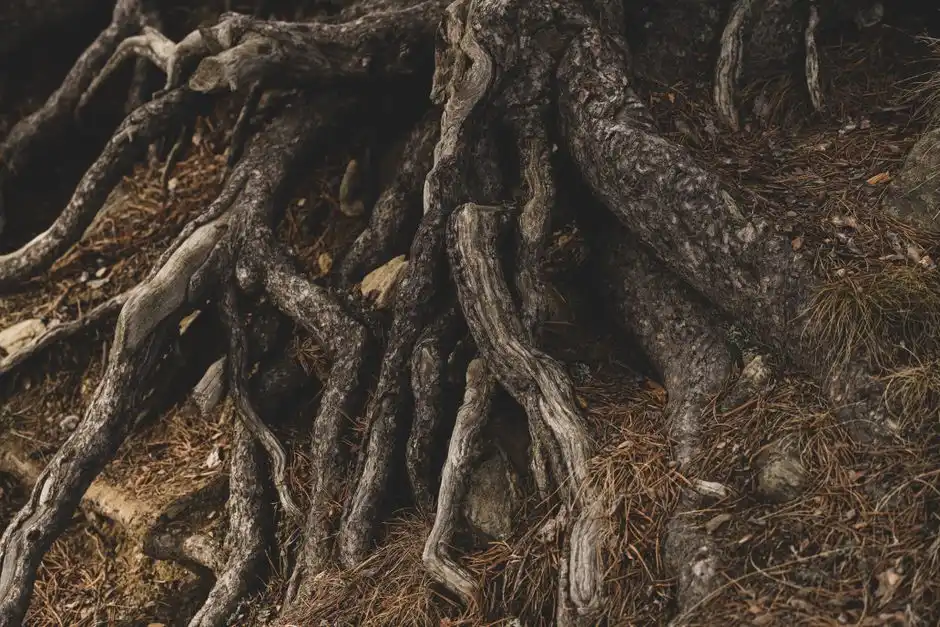
Tree root intrusion in sewer lines Florida happens because roots seek moisture and enter through cracks, loose joints, or aging pipe walls, then grow into a mass that blocks flow. The fix is straightforward: a camera inspection confirms the intrusion, then a rooter service or trenchless repair removes the roots and seals the pipe so they can't return.
We handle these calls every week across the state, and the pattern is almost always the same - slow drains in the fall, a gurgling toilet by winter, and a backup by spring. Below we cover how roots get in, which Florida trees are the worst offenders, what repairs actually work, and what you should expect to pay in 2026.
How Tree Roots Get Into Sewer Lines in Florida
Tree root intrusion in sewer lines is the process by which roots find and exploit the smallest opening in your lateral pipe, then expand inside it. A hairline crack the width of a dime is enough. Once inside, roots feed on the warm water, nutrients, and oxygen flowing through the line, and they grow fast in Florida's climate.
Our soil stays warm year-round, so root growth never fully stops the way it does up north. A root tip that enters a joint in March can be a fist-sized mass by August. Clay soils common in Central and North Florida shrink in dry months, shifting pipes and opening new gaps. Sandy coastal soils drain fast, which pushes roots to hunt deeper for moisture - often straight into your lateral.
Older neighborhoods are hit hardest. Homes built before 1980 often have clay tile or cast iron laterals with mortar joints that degrade. We see this constantly on sewer line repair Orlando Florida calls in neighborhoods like College Park and Audubon Park, where 1950s plumbing meets 70-year-old oak trees.
Warning Signs of Tree Root Intrusion
The earliest sign is usually a single drain that slows down while the rest of the house is fine. That's because roots tend to grab one section of pipe first - often where a joint sits under a mature tree.
Watch for these in order of how often we see them:
- Gurgling toilets after you run the washing machine or shower.
- Slow drains in the lowest fixture in the house - usually a basement or ground-floor tub.
- Sewage smell in the yard or near the cleanout.
- Soggy patches of grass that stay wet when everything else is dry.
- Backups that return within weeks of snaking.
That last one matters. If you've had the line snaked twice in six months, roots are almost certainly the cause and snaking alone will not fix it.
Which Florida Trees Cause the Most Sewer Line Damage
Certain Florida trees are far more aggressive than others when it comes to sewer line root intrusion repair Florida homeowners need. The worst offenders share three traits: fast growth, shallow wide-spreading roots, and a high thirst for water.
The top five we deal with:
- Ficus - including weeping fig and banyan. Ficus roots are relentless and can travel 50 feet or more to find water.
- Willow - especially weeping willow. Roots seek moisture aggressively and grow fast.
- Live oak - long-lived, wide root spread, and common in older Florida neighborhoods.
- Magnolia - shallow, fleshy roots that easily enter small cracks.
- Palm trees - surprisingly invasive in sandy soil; their fibrous roots work into joints over time.
If any of these sit within 10 feet of your lateral, plan on a camera inspection every 18 to 24 months. It's cheap insurance compared to a full replacement.
How Tree Root Intrusion in Sewer Lines Is Repaired
Repair follows a clear sequence: find the intrusion, remove the roots, then either seal or replace the damaged section. Skipping the last step is why so many homeowners end up with the same problem 12 months later.
Step 1: Camera Inspection and Locating
We run a sewer camera inspection Florida to see exactly where the roots are, how far they've spread, and whether the pipe is cracked, offset, or collapsed. We also locate the line from above ground so we know where to dig - or where not to.
Step 2: Root Removal
For light to moderate intrusion, we use a rooter service with a cutting head sized to the pipe. This clears the blockage but does not stop regrowth. For heavier growth, we follow with a descaling tool to strip the root mass off the pipe wall. You can read more about that process under tree root removal in Florida.
Step 3: Sealing or Replacing the Pipe
This is the step most one-truck drain companies skip. If the pipe is structurally sound, we seal it with a cured-in-place liner. If it's cracked, offset, or collapsed, we replace that section - usually with trenchless methods that avoid tearing up your yard.
Can Tree Roots Be Removed Without Digging?
Yes - in most cases tree roots can be removed and the pipe sealed without digging a trench. Two methods handle the majority of residential jobs.
Trenchless sewer repair pulls a new pipe through the old one or bursts the old pipe outward while pulling a new HDPE line behind it. We use trenchless sewer repair in Florida on most residential laterals because it preserves lawns, driveways, and mature landscaping - a big deal when the offending tree is the one you actually want to keep.
Sewer pipe lining is the other option. We insert a resin-saturated liner, inflate it against the pipe wall, and cure it in place. The result is a smooth, seamless interior that roots cannot penetrate. It works best on pipes that are still round and structurally intact.
Digging is still the right call when the pipe has collapsed, when there are multiple offset joints, or when the lateral has bellies that hold water. We tell you which one you need after we see the camera footage - not before.
Tree Root Intrusion Repair Cost in Florida (2026)
Typical 2026 pricing in this area breaks down like this:
- Camera inspection and locating: $250-$500.
- Rooter service (cutting only): $300-$600.
- Root removal plus descaling: $500-$1,200.
- Sewer pipe lining (per foot): $90-$150.
- Trenchless replacement (per foot): $100-$200.
- Traditional dig-and-replace (per foot): $70-$150, plus restoration.
A typical 40-foot residential lateral with moderate root intrusion and lining runs $4,500-$7,500 all-in. Full replacement of the same run lands between $5,000 and $9,000. Emergency calls after hours add $150-$400 to the ticket.
We quote the whole job before we start. No surprise line items, no per-hour meter running while we figure it out.
Preventing Tree Root Intrusion in Sewer Lines
Preventing tree root intrusion in sewer lines comes down to three habits: know where your lateral runs, keep the wrong plants away from it, and inspect on a schedule.
- Mark your lateral. Have it located once and keep a sketch with your home records. You cannot protect a pipe you can't find.
- Plant smart. Keep ficus, willow, and live oak at least 10 feet from the line. For palms, 6 feet is the practical minimum.
- Schedule inspections. Every 18-24 months if you have mature trees nearby. Every 12 months if you've already had one intrusion.
- Skip the DIY root killer. Copper sulfate products kill the roots inside the pipe but leave them in place to catch debris. They also harm beneficial soil biology and can corrode older pipes.
If you're in a neighborhood with 60-year-old oaks and 1950s clay laterals, plan on a preventive drain cleaning Florida visit each spring before the rainy season starts.
Common Mistakes Homeowners Make
The single biggest mistake is treating root intrusion as a one-time clog. Roots regrow. If you cut them and walk away, they'll be back - usually within 9 to 15 months, and often worse than before.
Other mistakes we see:
- Pouring chemical drain cleaner down a line with roots. It eats the blockage, not the roots, and it damages older pipes.
- Snaking repeatedly without a camera inspection. You're paying for the same fix three times instead of solving it once.
- Cutting down the tree as a first move. The roots already inside the pipe keep growing for months after the tree is gone. Remove the roots first, then decide about the tree.
- Ignoring a single slow drain. That's the cheapest moment to fix this. Wait for a backup and you're paying for cleanup too.
When to Call a Professional
Call us when you've had two backups in six months, when a snake job didn't hold, when you smell sewage in the yard, or when you see a wet patch over the lateral that won't dry out. Those four signs mean roots are structural, not just a clog.
We run a camera first, show you the footage, and tell you whether you need root removal alone or a full repair. Florida Sewer Line Experts handles the whole job - inspection, root removal, lining or replacement - with one crew and one invoice. If you're not sure whether it's roots or something else, a $250-$500 inspection is the cheapest way to find out.
Frequently Asked Questions
How do tree roots get into sewer lines in Florida?
Roots enter through cracks, loose joints, and aging pipe walls, drawn by warm water and nutrients. Florida's year-round warmth means roots grow continuously, so a hairline opening in spring can become a major blockage by fall.
How is tree root intrusion in sewer lines repaired in Florida?
We camera-inspect the line, cut and descale the roots, then seal the pipe with a cured-in-place liner or replace the damaged section trenchlessly. Most residential jobs are done in one day, and the repair stops regrowth at that spot.
Can tree roots be removed from sewer lines without digging in Florida?
Yes. Trenchless methods handle most residential cases. We pull a new pipe through the old one or line it in place, which preserves lawns and driveways. Digging is only needed for collapsed pipes or multiple offset joints.
What trees cause the most sewer line damage in Florida?
Ficus, weeping willow, live oak, magnolia, and palm trees top the list. Ficus is the worst - its roots can travel 50 feet or more. Keep any of these at least 10 feet from your lateral, or inspect every 18 months.
How much does tree root intrusion repair cost in Florida?
In 2026, root removal runs $300-$1,200, lining runs $90-$150 per foot, and trenchless replacement runs $100-$200 per foot. A typical 40-foot residential lateral with lining lands between $4,500 and $7,500.
Get Help with Sewer Line Repair in Florida
If roots have already found your lateral, we can camera-inspect it today and tell you exactly what it needs. Florida Sewer Line Experts serves homeowners statewide with sewer line repair Florida - inspection, root removal, lining, and trenchless replacement under one roof.
Call +1 800-333-3693 and we'll get a crew out to you.