Traditional Sewer Line Repair vs Trenchless Repair
We compare traditional sewer line repair vs trenchless repair in Florida - real 2026 costs, timelines, root intrusion, and which method fits your yard.
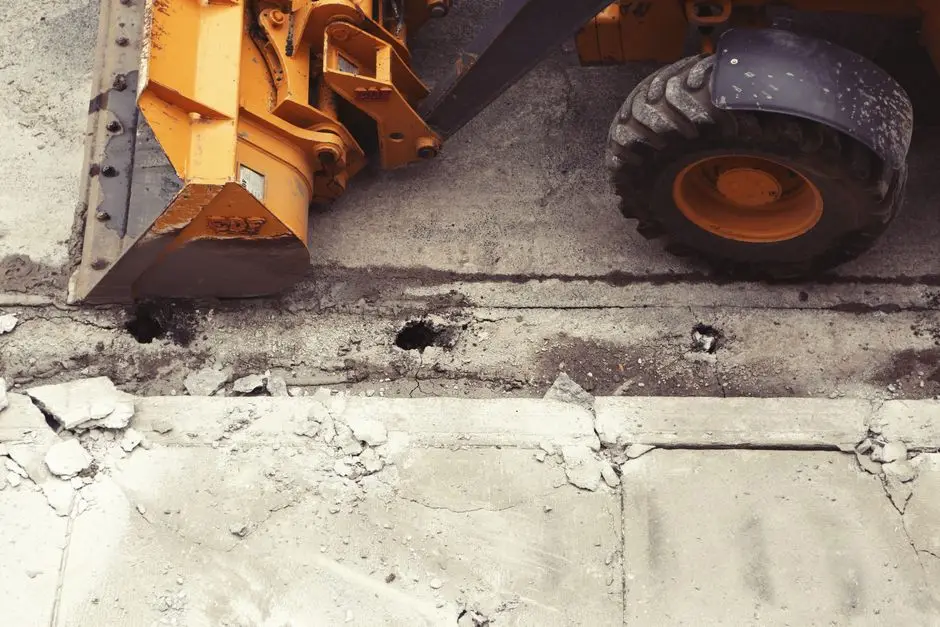
Trenchless sewer repair is the better choice for roughly 8 out of 10 residential sewer lines in Florida, mainly because it avoids tearing up driveways, lawns, and mature landscaping. Traditional sewer line repair still wins when the pipe has collapsed, sits deeper than 10 feet, or runs under a concrete slab that has to be opened anyway. The rest of this post breaks down how each method works, what they cost in 2026, and how to pick the right one for your yard and your home.
We are Florida Sewer Line Experts, a state-licensed plumbing contractor, and we run both methods every week across the state. If you want the short version: trenchless is faster and cheaper in most cases, but it is not magic. There are jobs where a shovel is the honest answer.
What Is the Difference Between Traditional and Trenchless Sewer Repair in Florida?
Traditional sewer line repair vs trenchless repair in Florida is a comparison of two ways to reach the same failing pipe: one digs a continuous open trench down to the line, the other works through small access pits or existing cleanouts. Traditional repair removes and replaces the damaged section in the open. Trenchless repair either relines the existing pipe from the inside or pulls a new pipe through the old one without a continuous trench.
That single difference drives everything else - the equipment, the labor hours, the damage to your property, and the final invoice. A traditional repair on a 40-foot run under a St. Augustine lawn means 40 feet of trench, 3 to 4 feet deep, and a pile of sod you have to replace. A trenchless repair on the same run means two holes the size of a manhole cover and a lawn that looks untouched by dinner.
Both methods start the same way: with a sewer camera inspection Florida to see what is actually wrong. You cannot choose a repair method until you know the pipe material, the depth, the location of the break, and whether roots or bellies are involved.
How Traditional Sewer Line Repair Works in Florida
Traditional sewer repair in Florida means open-cut excavation: we mark the line, cut and remove the sod or concrete, dig down to the pipe, cut out the failed section, and replace it with new PVC. Then we backfill, compact, and restore the surface.
Here is the sequence we follow on a typical open-cut job:
- Locate and mark the line and any utilities crossing it.
- Cut and lift the sod, pavers, or concrete slab.
- Excavate a trench 3 to 6 feet deep along the failed run.
- Cut out the damaged pipe and install new schedule 40 PVC.
- Bed the pipe, backfill in lifts, and compact.
- Restore the surface - sod, pavers, or concrete.
On a straightforward 30- to 40-foot replacement under a lawn, the digging and pipe work takes one to two days. Surface restoration is what stretches the job: new sod takes a few weeks to knit, and a poured concrete driveway needs 7 days to cure before you drive on it. If your line runs under a finished driveway or a screened lanai, add $1,500 to $4,000 to the job for demolition and rebuild.
Open-cut is also the only method that lets us correct a bad slope. If the original pipe was laid with a belly - a low spot that holds water and debris - we can re-grade the trench and fix the pitch while it is open. No trenchless method can do that.
How Trenchless Sewer Repair Works in Florida
Trenchless sewer repair in Florida covers two main techniques: CIPP lining, where we cure a resin-saturated felt tube inside the existing pipe, and pipe bursting, where we pull a new HDPE pipe through the old one while breaking it outward into the surrounding soil.
CIPP lining is the right call when the existing pipe is still structurally sound but cracked, root-infested, or pitted. We clean the line, run a camera to confirm, then pull the liner through and cure it with heat or UV. The result is a seamless new pipe inside the old one, usually rated for 50 years. A typical residential lining job runs 4 to 8 hours, and you can use the drains the same day.
Pipe bursting is the right call when the old pipe is too far gone to line - collapsed, heavily offset, or undersized. We dig two pits, one at each end of the run, feed a bursting head through, and pull new HDPE behind it. The old pipe shatters outward into the soil and the new pipe takes its place. A 50-foot burst typically takes one day, and the new HDPE is jointless, so roots cannot get in at the seams.
Both methods need a cleanout or an access pit. If your home has no cleanout, we install one - usually a 2- to 3-hour job - before the repair begins. For a deeper look at the lining side, see our sewer pipe lining in Florida page.
Traditional Sewer Line Repair vs Trenchless Repair Cost in Florida
Traditional sewer line repair vs trenchless repair cost in Florida usually lands in the same ballpark for the pipe itself, but trenchless saves you the restoration bill. Typical 2026 pricing in this area: open-cut replacement runs $4,000 to $12,000 for a 30- to 50-foot run, while trenchless lining runs $5,000 to $14,000 and pipe bursting runs $6,000 to $15,000.
Here is how the numbers break down on a 40-foot residential line:
- Open-cut replacement: $4,000-$9,000 for the pipe work, plus $1,500-$4,000 for driveway, paver, or sod restoration.
- CIPP lining: $5,000-$12,000 all-in, no restoration line item.
- Pipe bursting: $6,000-$15,000 all-in, with two small pits to restore.
The gap widens fast when the line runs under hardscape. A 40-foot open-cut under a stamped concrete driveway in a neighborhood like sewer line repair Fort Lauderdale Florida can hit $13,000 once the concrete is replaced. The same run lined trenchless often comes in under $9,000 because the driveway never gets touched.
One caveat: trenchless is not automatically cheaper. On a shallow, short run in an open side yard with no landscaping to protect, open-cut can be the lower bid. We quote both when both are viable and let you see the real numbers side by side.
Which Is Better, Traditional or Trenchless Sewer Repair in Florida?
Trenchless is better for most Florida homes because it protects the yard, the driveway, and the mature trees that take decades to replace, and it usually finishes in a single day. Traditional open-cut is better when the pipe has lost its slope, when the break sits under a slab that must be opened anyway, or when the run is too short and shallow to justify the trenchless setup cost.
We make the call on four things:
- Pipe condition. Cracked and root-infested but intact - line it. Collapsed or offset - burst it or dig it.
- Depth. Under 10 feet, trenchless is comfortable. Past 12 feet, open-cut gets expensive fast and trenchless wins clearly.
- Surface above. Driveway, pool deck, or mature oak - go trenchless. Open dirt side yard - open-cut is fine.
- Slope. A belly or reverse-grade section needs open-cut to re-grade.
If you are weighing this for a 1950s or 1960s home with original cast iron or Orangeburg pipe, the answer tilts trenchless more often than not. Those pipes are brittle and full of joints, and a full replacement with HDPE via pipe bursting ends the problem for good. You can read more about that on our sewer line replacement in Florida page.
Root Intrusion and Older Homes: Where Each Method Wins
Root intrusion is the single most common reason we get called out in Florida, and it is where the traditional vs trenchless sewer repair Florida debate gets practical. Ficus, oak, and palm roots find the joints in clay and cast iron pipe and force their way in. Once inside, they grab grease and paper and build a mat that backs up your house.
For light to moderate root intrusion, we cut the roots with a tree root removal in Florida service, then line the pipe so the roots have nothing to grip. The liner is seamless, so there are no joints to invade. That combination - cut, clean, line - is the standard fix on a 1970s Tampa or Orlando ranch home with a clay lateral under a mature live oak.
For severe intrusion where the pipe is crushed or the roots have displaced the joints, lining will not hold. We burst the line and pull new HDPE through. The new pipe has no joints at all, so roots cannot re-enter. That is the permanent fix, and it is why we recommend it on older homes where the pipe is already at the end of its life.
Older homes also tend to have Orangeburg pipe - a tar-paper-and-wood-pulp pipe used from the 1940s through the 1970s. It deforms over time and loses its round shape. You cannot line a pipe that is no longer round, so those jobs go to pipe bursting or open-cut. We see a lot of it in the older neighborhoods around sewer line repair Tampa Florida, and the diagnosis is always the same: camera first, then decide.
Common Mistakes We See Florida Homeowners Make
The most expensive mistake is choosing a repair method before anyone has run a camera. A $99 rooter service that clears the line without a camera is a band-aid - the roots come back in 6 to 12 months, and you have paid twice.
Other mistakes we see regularly:
- Pouring chemicals down the drain. Store-bought root killer damages cast iron and clay pipe and does nothing to the root mass outside the pipe.
- Ignoring a slow drain. A single slow drain is often the first sign of a partial blockage. Waiting until it backs up usually means a bigger repair.
- Letting a contractor skip the cleanout. If there is no cleanout, install one. It makes every future service faster and cheaper.
- Choosing the lowest bid with no camera footage. If the quote does not include a video inspection, you do not know what you are paying for.
- Landscaping over the line. Planting a ficus or oak within 10 feet of the lateral is asking for a future repair.
We also see homeowners assume trenchless is always cheaper. It is not. On a shallow run in open dirt, open-cut can save you $1,000 or more. The honest answer is that it depends on your specific line, and that is why we quote both when both are viable.
When to Call a Professional
Call us when you see sewage backing up into a tub or floor drain, when you smell sewer gas in the yard, or when a slow drain has been getting worse for weeks. Those are the three signals that the line itself is failing, not just clogged.
You should also call if you have had the same line rootered twice in 12 months. That pattern means the pipe is damaged or root-infested and a real repair is overdue. Our team runs the camera, shows you the footage, and tells you plainly which method fits - trenchless or open-cut - with a price for each. We find the problem, fix it, and test the line before we leave.
For urgent backups, we offer emergency sewer line repair in Florida and can usually be on-site the same day.
Frequently Asked Questions
What is the difference between traditional and trenchless sewer repair in Florida?
Traditional repair digs a continuous open trench down to the pipe and replaces the damaged section in the open. Trenchless repair works through small access pits or existing cleanouts, either relining the old pipe from the inside or pulling a new pipe through it. The main practical difference is property damage and job duration.
Which is cheaper, traditional or trenchless sewer repair in Florida?
On a 40-foot residential line in 2026, open-cut runs $4,000-$9,000 plus $1,500-$4,000 in restoration, while trenchless lining runs $5,000-$12,000 all-in. Trenchless is usually cheaper once you factor in driveway, paver, or sod replacement. On a shallow run in open dirt, open-cut can be the lower bid.
Which is better, traditional or trenchless sewer repair in Florida?
Trenchless is better for most Florida homes because it protects landscaping and hardscape and usually finishes in one day. Traditional open-cut is better when the pipe has lost its slope, sits under a slab that must be opened anyway, or is too short and shallow to justify trenchless setup costs.
How long does traditional sewer repair take in Florida?
Digging and pipe replacement on a 30- to 40-foot run takes 1 to 2 days. Surface restoration adds time: new sod needs a few weeks to knit, and a poured concrete driveway needs 7 days to cure. Trenchless lining on the same run is typically a 4- to 8-hour job.
Can trenchless sewer repair fix tree root intrusion?
Yes, if the pipe is still structurally sound. We cut the roots out, clean the line, and install a seamless CIPP liner so roots have no joints to grip. If the pipe is crushed or displaced, we use pipe bursting instead to pull in a jointless HDPE pipe.
Get Help With sewerlinerepairfl in Florida
If your line is backing up, slow, or you have been told it needs replacement, we will run the camera, show you the footage, and quote both repair methods so you can choose with real numbers. We handle sewer line repair Florida homeowners trust for both traditional and trenchless work, from a single cracked joint to a full lateral replacement.
Call Florida Sewer Line Experts at +1 800 333 3693 and we will get a technician out to your property.