Sewer Backup Coverage and What Homeowners Should Know
Standard Florida homeowners policies exclude sewer backup. Here is how endorsements work, what coverage limits cost, and how to file a claim that actually pays.
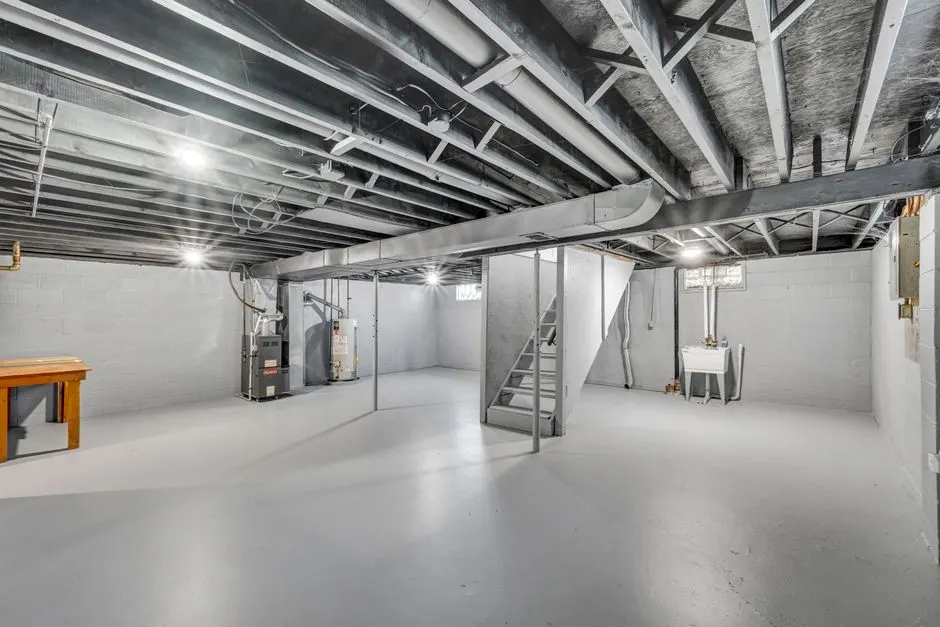
No, standard homeowners insurance in Florida does not cover sewer backup. Your base HO-3 or HO-6 policy excludes water that backs up through sewers or drains, and that exclusion sits in the same section that removes flood damage from coverage. You only get protection if you buy a sewer backup endorsement, sometimes called a water backup endorsement, and add it to the policy as a rider. This post walks through what that endorsement pays for, how much it costs in 2026, how to add it, and how to file a claim that actually gets approved.
We are Florida Sewer Line Experts, and we have watched this play out hundreds of times. A homeowner calls us because the toilet is bubbling and gray water is rising in the shower pan. We clear the line. Then the adjuster calls and asks whether the policy has a backup endorsement. Half the time the answer is no, and the homeowner is writing a five-figure check for remediation out of pocket. The repair is the cheap part. The cleanup is what hurts.
Does homeowners insurance cover sewer backup in Florida?
Homeowners insurance in Florida covers sewer backup only when you have added a specific endorsement, because the standard policy language excludes it. The exclusion is written into the water damage section of every major carrier's HO-3 form, and it applies whether the backup came from a city main, a septic tank, or a clog inside your own lateral line. It does not matter who is at fault. The exclusion is about the source of the water, not the cause.
Sewer backup coverage for homeowners in Florida is a supplemental coverage that reimburses you when water or sewage backs up through a drain, sump, or sewer line and damages your home or belongings. It is not flood insurance, and it is not a substitute for it. Flood insurance covers surface water entering from outside. Backup coverage covers water that comes up through the pipes from inside the system.
There is one more layer most people miss. Even with the endorsement, carriers distinguish between the cost to clean up and the cost to fix the pipe that failed. The endorsement pays for damage to your home and contents. It does not pay to dig up and replace a collapsed clay lateral under your front yard. That is a maintenance item, and it is on you. This is why we tell every homeowner the same thing: insure the mess, budget for the pipe.
If you are dealing with a failed line right now, our team handles sewer backup repair in Florida and can usually tell you within an hour whether the problem is a clog, a root intrusion, or a collapsed section.
What sewer backup coverage actually pays for
Sewer backup coverage pays for two categories of loss: damage to the structure and damage to your personal property. On the structure side, that means extraction of standing water, removal of contaminated drywall and baseboards, drying equipment, antimicrobial treatment, and replacement of flooring that cannot be saved. On the contents side, it means furniture, clothing, electronics, and stored items that sat in the path of the water.
What it usually does not pay for:
- The repair or replacement of the sewer line itself, including excavation and pipe materials
- Damage from a backup that started before the policy was in force
- Mold that you let sit for weeks before calling anyone
- Losses above your endorsement limit, which is often far lower than your main dwelling limit
That third bullet is where claims die. Florida's humidity means mold can colonize wet drywall in 24 to 48 hours. If you wait a week to call a remediation crew because you are arguing with the adjuster, the carrier can reasonably say the mold damage was preventable. Document everything the day it happens, and get drying equipment in the same day if you can.
One more distinction matters. Many endorsements cover sewage specifically, not just clear water. Read the rider. A policy that covers "water backup" may pay for a sump overflow but balk at category 3 black water from a sanitary sewer. The difference between a $4,000 cleanup and a $40,000 rebuild often comes down to one word in the endorsement.
How much sewer backup coverage do I need in Florida?
Most Florida homeowners should carry at least $25,000 in sewer backup coverage, and $50,000 if the finished living space sits at or below grade. The default limits carriers offer are usually $5,000 or $10,000, and those numbers were set decades ago. A single backup that reaches a finished floor typically runs $12,000 to $30,000 in remediation and replacement in a Florida market, before you count contents.
Here is the math we walk homeowners through. A 1,800-square-foot home with tile throughout and no finished basement might see $8,000 to $15,000 in damage from a two-inch backup. Add engineered hardwood, baseboards, and a home office on the slab, and you are at $25,000 to $40,000 fast. Add a finished lower level with furniture, and $60,000 is not unusual.
Three questions set your number:
- How much finished square footage sits at or below the level of the lowest drain?
- What is the replacement cost of the flooring, cabinetry, and furniture in that space?
- How old is your lateral line, and has it ever been scoped?
That third question is the one people skip. If your home was built before 1980, there is a decent chance the lateral is clay tile or Orangeburg, and both fail. We see this constantly in older neighborhoods, and it is why we run sewer line inspection in Florida on every home we quote a backup repair for. A $300 camera inspection tells you whether you are insuring against a hypothetical or a countdown.
What sewer backup coverage costs in Florida
Sewer backup coverage in Florida costs roughly $50 to $150 per year for a $10,000 limit, and $150 to $400 per year for a $25,000 to $50,000 limit, based on typical 2026 pricing. The exact number depends on your carrier, your deductible, your home's age, and whether you have filed water claims before.
Compare that to the alternative. A single category 3 sewage cleanup in a Florida home averages $7,000 to $12,000 for extraction, drying, and replacement of affected materials. If the water reaches a finished room, you are past $20,000. Paying $200 a year for $25,000 of protection is the cheapest line item on your policy.
Two cost traps to know about. First, some carriers bundle backup coverage into a broader water endorsement that also covers sump overflow and appliance discharge. That bundle costs more but covers more. Second, raising your limit often costs very little. Going from $10,000 to $25,000 frequently adds $40 to $80 a year. Ask your agent for the incremental cost, not just the total.
Your deductible applies here too. Most Florida policies carry a separate deductible for water backup claims, often $500 to $2,500, distinct from your hurricane deductible. Know that number before you file, because a $1,800 cleanup with a $2,500 deductible is a claim you should not file.
How to add sewer backup coverage in Florida
Adding sewer backup coverage in Florida takes one phone call to your agent and typically goes into effect the same day, though some carriers require a 14-day waiting period for water-related endorsements. Call your agent, ask specifically for the water backup or sewer backup endorsement, and get the limit and deductible in writing before you hang up.
The script that works: "I want to add the sewer backup endorsement to my policy. What limit can I get, what is the incremental premium, and what is the separate deductible for a backup claim?" Write down the answers. If your agent says your policy already includes it, ask for the endorsement page number. It is either in the documents or it is not.
Two situations where you should expect friction. If you have filed a water damage claim in the last three to five years, some carriers will surcharge the endorsement or decline it. If your home is in a known flood zone, the carrier may push you toward NFIP flood coverage instead, which does not cover pipe backups. You can carry both. They cover different events.
While you are at it, spend the money on a camera inspection of your lateral. Knowing whether you have root intrusion, bellied pipe, or a failing joint changes how you think about risk. We handle that work across the state, and homeowners in older inland neighborhoods ask about it constantly. If you are in a market like sewer line repair Orlando Florida, where a lot of the housing stock dates to the 1960s and 1970s, a scope is worth more than any endorsement conversation.
How to file a sewer backup claim in Florida
To file a sewer backup claim in Florida, stop the source, document everything with photos and video before you move a single item, call a licensed remediation company the same day, and then notify your carrier. The order matters. Adjusters decide based on evidence, and evidence disappears the moment a cleanup crew hauls your ruined flooring to the curb.
The sequence we recommend:
- Stop the flow. If the backup is still active, stop using water in the house and call a plumber to clear the line.
- Photograph and video everything. Wide shots of each room, close shots of the water line on the wall, and photos of every damaged item before it moves.
- Call a remediation company the same day. Mold grows in 24 to 48 hours in Florida humidity, and same-day response protects your claim.
- Notify your carrier within 24 to 72 hours. Most policies require prompt notice, and delay gives the adjuster an argument.
- Keep every receipt. Hotel, meals, equipment rental, and replacement items all go into the claim file.
- Get the plumber's report in writing. The cause of the backup, documented by a licensed contractor, is the single most useful piece of paper in the file.
That last item is where we earn our keep. When we clear a line, we document what we found: root mass at the 40-foot mark, a cracked joint, a collapsed section of clay tile. That report tells the adjuster whether the event was a sudden blockage or a long-term deterioration. Sudden events get paid. Long-term deterioration gets denied, because the carrier argues you should have maintained the line.
If the line itself has failed and needs replacement, that is a separate project from the claim. We handle sewer line replacement in Florida and can usually tell you from the camera footage whether you are looking at a spot repair or a full lateral replacement.
Common mistakes that get sewer backup claims denied
The most common mistake is waiting to report the loss. Carriers in Florida routinely deny backup claims when the homeowner delayed notice by more than a few days, because the delay makes it impossible to separate covered damage from pre-existing conditions. Call the same day, even if you are not sure the damage is significant.
Other mistakes we see:
- Throwing away damaged items before photographing them. The adjuster cannot pay for what they cannot see.
- Assuming the endorsement covers the pipe. It covers the mess, not the lateral. Budget separately for the repair.
- Filing a claim smaller than the deductible. A $1,200 cleanup against a $2,500 deductible is a claim that costs you money in premium increases.
- Ignoring the maintenance history. If you have had three backups in two years and never scoped the line, the carrier will treat the fourth as a maintenance failure.
- Letting the remediation company talk to the adjuster without you. You own the claim. Stay in the loop.
One more thing. Florida has a lot of homes on septic systems, especially outside the major metros. Septic backups are treated differently by some carriers than municipal sewer backups. If you are on septic, confirm that your endorsement covers your system specifically. We see this in growing areas like sewer line repair Port St. Lucie Florida, where a mix of municipal and septic service means two neighbors can have completely different coverage for the same event.
When to call a professional
Call a professional the moment you see water rising in a fixture you did not fill, or when more than one drain in the house backs up at the same time. Multiple fixtures backing up means the blockage is in the main lateral, not a branch line, and no amount of drain cleaner will fix it. That is a main-line problem, and it needs a camera and a machine.
Other signals that warrant a call:
- Gurgling sounds from the toilet when you run the washing machine
- Sewage smell in the yard or near the cleanout
- Slow drains throughout the house, not just one
- Wet spots or unusually green patches in the lawn above the lateral
- Any backup that has happened more than once in 12 months
We find the blockage, clear it, and scope the line before we leave, so you know exactly what you are dealing with. If the line needs more than a cleaning, we tell you that on the same visit and give you a written price before any work begins. Homeowners across the state rely on our sewer line repair Florida team for exactly this reason: no guessing, no surprise invoices, and a report you can hand to your insurance adjuster.
Frequently Asked Questions
Does homeowners insurance cover sewer backup in Florida?
No, not on a standard policy. Florida HO-3 and HO-6 policies exclude sewer backup, and you need to add a water backup endorsement to get coverage. The endorsement typically costs $50 to $400 per year depending on your limit.
What is sewer backup coverage in Florida?
It is an optional endorsement that pays to clean up and repair damage caused by water or sewage backing up through your drains, sump, or sewer line. It covers your home and belongings, not the pipe that failed.
How much does sewer backup coverage cost in Florida?
Expect $50 to $150 per year for a $10,000 limit and $150 to $400 per year for $25,000 to $50,000, based on 2026 pricing. Raising your limit usually adds only $40 to $80 annually.
How do I file a sewer backup claim in Florida?
Stop the source, photograph all damage before moving anything, call a remediation company the same day, and notify your carrier within 24 to 72 hours. Get a written report from the plumber documenting the cause of the backup.
How much sewer backup coverage do I need in Florida?
Carry at least $25,000, and $50,000 if you have finished living space at or below grade. A single backup reaching a finished floor typically runs $12,000 to $30,000 in remediation and replacement.
Get help with sewerlinerepairfl in Florida
If you are staring at a backed-up drain right now, call us before you call your adjuster. We clear the line, document the cause, and give you the report your insurance company needs to process the claim.
Call Florida Sewer Line Experts at +1 (800) 333-3693 for same-day service anywhere in Florida.