Florida Sewer Line Repair Guide for Homeowners
What Florida homeowners should know about sewer line repair: warning signs, 2026 cost ranges, trenchless options, and how to pick the right contractor.
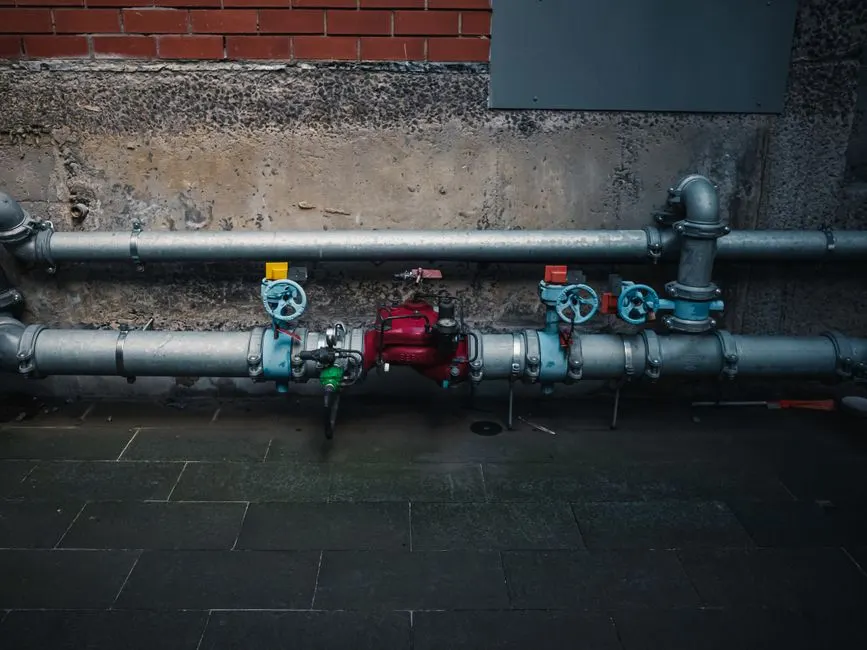
Florida sewer line repair is the diagnosis and correction of damage to the underground pipe that carries waste from your home to the municipal main or septic tank. If you are searching for a Florida sewer line repair guide for homeowners, the short answer is this: most Florida sewer lines fail because of tree roots, shifting sandy soil, aging clay or cast iron pipe, and heavy storm saturation - and a camera inspection is the only way to know which one you are dealing with before you spend a dollar on digging.
This guide walks you through the warning signs, what repairs actually cost in 2026, how the repair process works, and how to pick a contractor who will not leave you with a torn-up yard and a line that fails again next spring.
Why Florida Sewer Lines Fail Faster Than Most Homeowners Expect
Florida's soil, water table, and plant life put more stress on buried sewer pipe than almost any other region in the country. Three forces do most of the damage.
First, sandy soil moves. When the ground shifts after a heavy rain or a dry stretch, rigid clay and cast iron pipe crack at the joints. Second, roots are relentless. Ficus, oak, and palm roots find the condensation around a sewer joint and push through a gap the width of a fingernail. Third, our water table sits high. In coastal neighborhoods, pipe that stays saturated corrodes from the outside in.
Homes built before 1980 are the most vulnerable. Orangeburg pipe - a tar-paper pipe used through the 1970s - collapses under its own weight after 40 years. Cast iron from the same era rusts through at the bottom of the channel, where you cannot see it until the line backs up.
If you want a full picture of the services available across the state, our sewer line repair Florida page covers everything from inspection to full replacement.
Warning Signs You Have a Sewer Line Problem
The warning signs of a failing sewer line in Florida show up in a predictable order, and catching them early is what separates a $600 repair from a $12,000 yard excavation.
Watch for these, in roughly the order they appear:
- One drain backs up while others run fine. A single slow fixture usually means a local clog. Multiple fixtures backing up at once points to the main line.
- Gurgling toilets. Air trapped by a partial blockage escapes through the lowest fixture in the house.
- Sewage smell in the yard or laundry room. Methane and hydrogen sulfide escape through a cracked pipe.
- Soggy patches or unusually green grass over the line. Raw sewage is fertilizer. A strip of lawn that stays green through a dry spell is a red flag.
- Foundation cracks or a sunken driveway. A leaking line washes out the soil under concrete.
- Rodents or roaches in the house. Rats and palmetto bugs use broken sewer pipe as a highway.
If you see more than two of these at once, stop running water and call for a camera inspection. A sewer line inspection in Florida costs a fraction of an emergency repair and tells you exactly what is happening underground.
What Does Sewer Line Repair Cost in Florida in 2026?
Sewer line repair in Florida in 2026 runs from about $250 for a simple clog removal to $15,000 or more for a full replacement under a slab or driveway. Here are the ranges we see most often.
- Camera inspection: $150-$450
- Clog removal (rooter or hydro-jet): $250-$800
- Spot repair on a single damaged section: $1,200-$3,500
- Trenchless pipe lining (CIPP): $4,000-$12,000
- Pipe bursting replacement: $6,000-$15,000
- Traditional dig-and-replace: $8,000-$20,000+
Three things move the number up or down. Depth matters - a line 6 feet down costs more to reach than one at 3 feet. Access matters - if the pipe runs under a pool deck or a mature oak, the job gets harder. And length matters - most residential runs are 60 to 100 feet, and pricing is usually quoted per foot.
Get a written, itemized quote before anyone breaks ground. If a contractor will not put the scope in writing, that is your answer.
The Sewer Line Repair Process in Florida, Step by Step
The sewer line repair process in Florida follows six steps, and skipping any one of them is how homeowners end up paying twice.
- Camera inspection. We run a fiber-optic camera from the cleanout to the municipal main and record the footage. You see the problem on the monitor.
- Locating. A transmitter on the camera head lets us mark the exact depth and path of the pipe on the surface with paint or flags.
- Diagnosis and options. You get a straight answer: spot repair, lining, bursting, or full replacement - with the cost of each.
- Repair. Trenchless methods enter through two small pits at either end. Traditional replacement opens a trench along the line.
- Testing. We run water through the new or repaired line and re-camera it to confirm flow and no leaks.
- Restoration. Backfill, compact, and restore the surface. Sod is replaced where we opened the lawn.
Most trenchless jobs finish in one to two days. A full dig-and-replace under a slab can run three to five days.
Trenchless vs. Traditional Dig-and-Replace
Trenchless repair is almost always the better choice in Florida because it protects the two things homeowners care about most: the landscaping and the timeline.
There are two main trenchless methods. sewer pipe lining in Florida inserts an epoxy-saturated liner inside the existing pipe and cures it in place, creating a new pipe within the old one. It works well for pipes that are cracked or root-infested but still structurally sound. pipe bursting in Florida pulls a new HDPE pipe through the old one, breaking the old pipe outward as it goes. It is the right call when the existing pipe has collapsed or is undersized.
Traditional excavation still has a place. If the pipe is less than 3 feet deep, runs through an open yard, and the soil is stable, digging can be the cheapest option. But in most Florida neighborhoods - with irrigation lines, pool plumbing, and mature trees in the way - trenchless wins on total cost once you factor in landscape restoration.
Sewer Line Maintenance Tips for Florida Homeowners
Sewer line maintenance in Florida is mostly about what you put down the drain and what you plant over the pipe. Do these five things and you will add years to the life of your line.
- Never flush wipes, paper towels, or feminine products. Even "flushable" wipes do not break down. They snag on roots and build dams.
- Keep grease out of the kitchen drain. Pour it into a can and trash it. Grease cools into a solid the moment it hits the lateral.
- Plant trees at least 10 feet from the sewer line. If you already have a tree over the line, have it inspected every 18 to 24 months.
- Install a backwater valve if you are in a flood zone. It stops municipal backups from entering your home during a storm.
- Schedule a camera inspection every two years. It is the cheapest insurance you can buy on a system that costs thousands to replace.
If roots have already found their way in, tree root removal in Florida clears the line and buys you time before a full replacement is needed.
How Do I Choose a Sewer Line Repair Company in Florida?
To choose a sewer line repair company in Florida, verify three things before you sign anything: a state plumbing license, a physical local address, and a willingness to show you the camera footage before quoting a repair.
Ask these questions on the phone:
- Are you licensed and insured in Florida? Ask for the license number.
- Do you own your camera and locating equipment, or subcontract it?
- Will I see the video before you quote the repair?
- Is the quote itemized - parts, labor, permits, and restoration?
- Do you offer a warranty on the repair, and for how long?
A company that cannot answer all five in one phone call is not the one you want opening your yard. We see this constantly in older neighborhoods, and it is the same story across sewer line repair Tampa Florida where 1950s cast iron and mature oak canopies create the same failure pattern block after block.
Common Mistakes Florida Homeowners Make
The most expensive sewer line mistakes are the ones that look like savings at the time.
Pouring chemicals down the drain. Store-bought root killer and drain cleaner can eat through already-thin cast iron. You trade a $400 rooter job for a $9,000 replacement.
Hiring the lowest bid without a camera inspection. A quote given without seeing the pipe is a guess. It is always low, and it always grows.
Ignoring a single slow drain for months. One slow drain is a warning. Six months later it is a backup, and by then the damage is done.
Planting the wrong tree in the wrong place. Ficus and weeping willow roots travel 30 feet or more looking for water. Your sewer line is a water source.
Skipping the permit. Most Florida municipalities require a permit for sewer line replacement. Unpermitted work can complicate a future home sale.
When to Call a Professional
Call a professional the moment you see two or more warning signs at once, or any time sewage backs up into the house. Those are not DIY problems.
At Florida Sewer Line Experts, we handle the full job - camera inspection, locating, repair, and restoration - so you are not coordinating three different contractors. We find the problem, fix it, and test the line before we leave. If the repair can wait, we will tell you that too.
Frequently Asked Questions
What should Florida homeowners know about sewer line repair?
Most Florida sewer line failures come from tree roots, shifting sandy soil, and aging clay or cast iron pipe. A camera inspection costs $150-$450 and is the only reliable way to diagnose the problem before authorizing a repair. Catch it early and you avoid a five-figure excavation.
How do I choose a sewer line repair company in Florida?
Verify a state plumbing license, a local address, and that the company owns its camera equipment. Ask to see the footage before they quote the repair, and insist on an itemized written estimate. A legitimate contractor will do all three without hesitation.
How can I prevent sewer line problems in Florida?
Keep grease, wipes, and paper towels out of the drain. Plant trees at least 10 feet from the line. Schedule a camera inspection every 18 to 24 months, and install a backwater valve if you live in a flood zone. Those four habits prevent most failures.
How much should I budget for sewer line repair in Florida?
Budget $250-$800 for a clog, $1,200-$3,500 for a spot repair, and $4,000-$15,000 for trenchless lining or pipe bursting. Full dig-and-replace runs $8,000-$20,000+. Depth, access, and pipe length drive the final number.
Does homeowners insurance cover sewer line repair in Florida?
Standard Florida homeowners policies usually exclude the pipe itself but may cover resulting damage if sewage backs into the home. Some carriers offer a sewer backup endorsement for $50-$150 a year. Read your policy or call your agent before you file.
Get Help With sewerlinerepairfl in Florida
If your drains are backing up, your yard smells like sewage, or you just want to know what shape your line is in, we can help. Florida Sewer Line Experts serves homeowners across the state with camera inspections, trenchless repairs, and full replacements.
Call +1 800-333-3693 and we will get a technician out to look at your line.